
Hidden costs in NYC construction — and how to budget for them
Sidewalk sheds, DOB fees, and concealed conditions rarely make it into a rough estimate. The line items that surprise first-time renovators most.
The costs that blow up a first-time renovator's budget are rarely the ones on the obvious list. Everybody budgets for the kitchen. Almost nobody budgets for the sidewalk shed, the disposal, the expediting or the two weeks of standing time while a filing clears.
None of these are hidden in any real sense. They are simply absent from rough estimates, which is not the same thing — and it is why an estimate that looks lower can end up costing more.
Regulatory and logistics costs
Filing fees, inspection fees, expediting, and the permits for using the street or sidewalk during construction are real line items in New York, and they scale with the scope rather than being a fixed small number.
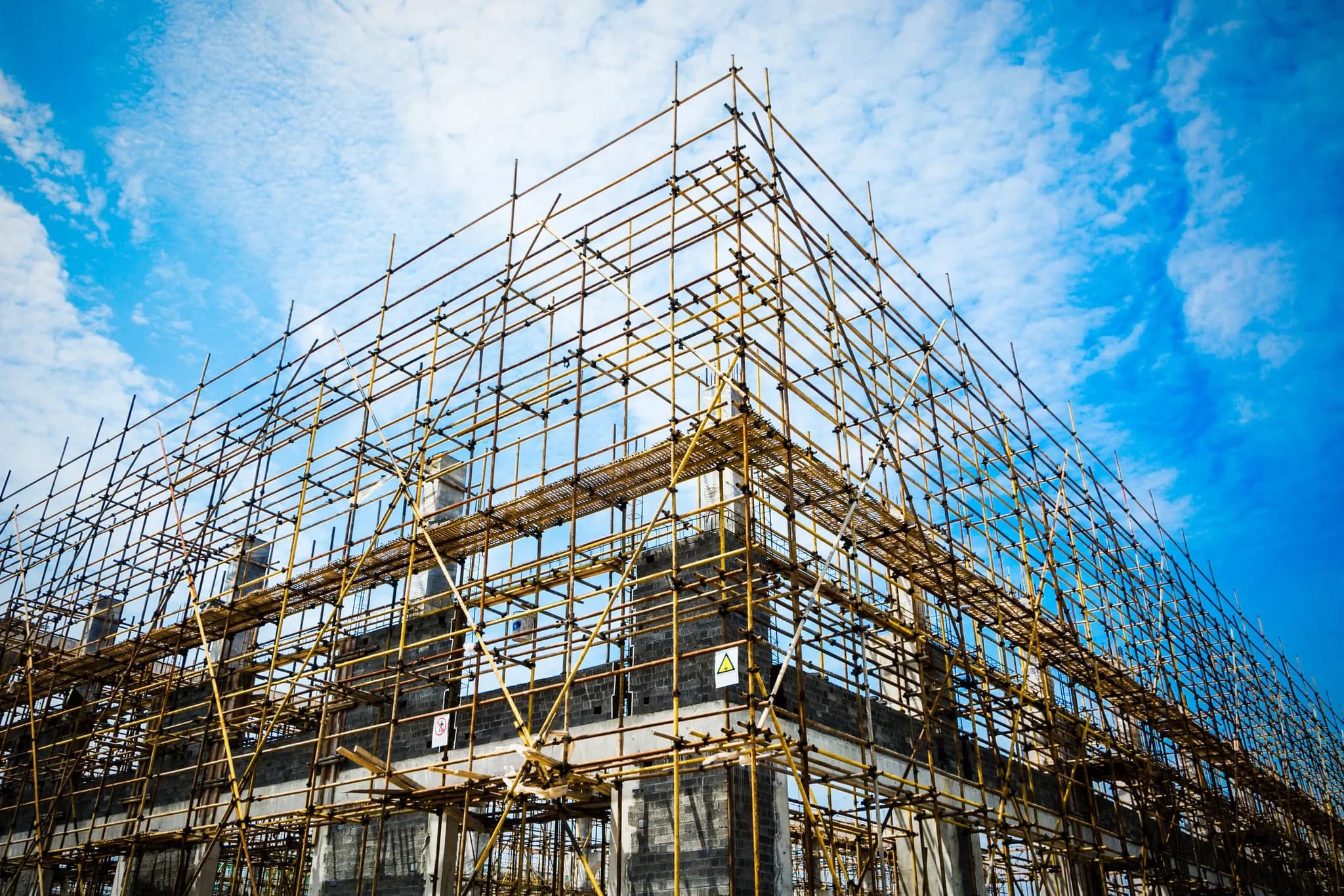
Then there is the physical logistics of building in a dense city: sidewalk sheds and overhead protection where the work requires them, hoisting, restricted delivery windows, and disposal — which in a city with no space to sort on site is a meaningful cost rather than a rounding error.
In a shared building there is another layer again: building alteration deposits, insurance requirements set by the board, restricted hours that lengthen the programme, and sometimes a fee for the use of the service lift.
- Filing, inspection and expediting fees
- Sidewalk shed, netting and overhead protection
- Street use, parking suspension and hoisting permits
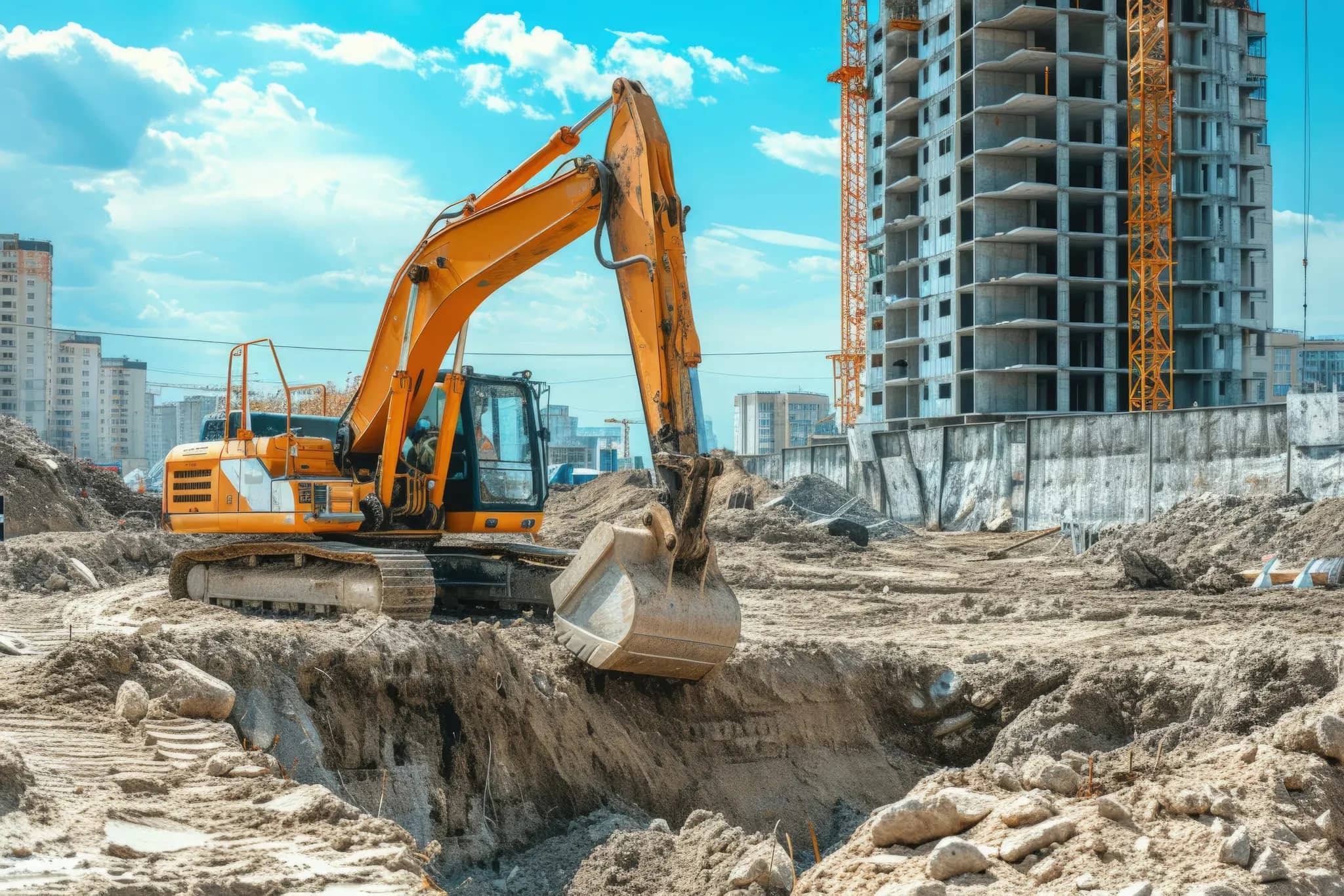
- Debris removal and disposal
- Building deposits, insurance requirements and restricted working hours
Soft costs
Owners frequently budget the construction and forget everything that has to happen around it: architectural and engineering design, structural calculations, surveys, expediting, and any specialist consultant a particular filing requires.
These are not optional extras. They are the cost of having a project that can be legally built, and they typically represent a share of the total that surprises people the first time they see it broken out.
What's behind the wall
Older buildings routinely hide outdated wiring, undersized or corroded plumbing, rotten framing near old leaks, and the occasional structural problem that only surfaces when demolition starts.
This is exactly what a contingency line is for, and it is worth understanding that a contingency is not a sign the budget failed. It is the part of the budget that admits nobody can see through plaster. A project quoted with no contingency has not eliminated that risk — it has just moved it onto you without saying so.
A budget with no contingency has not removed the uncertainty. It has just declined to tell you about it.
The costs of time
Some of the most painful line items are not construction costs at all. If you are living elsewhere during the work, every week of delay is another week of rent. If you are opening a business, every week is revenue you planned on. If you are financing, it is another month of carrying cost.
This is why schedule risk and budget risk are the same conversation for most owners, and why a realistic programme is worth more than an optimistic price.
Why we itemise instead of rounding up
An itemised budget with a realistic contingency does not hide any of this — it prices it in from day one, so by the time you sign, nothing here is actually hidden.
It also makes every subsequent conversation easier. When you want to upgrade a finish or the scope shifts, you can see exactly what it changes, because the number was never a single opaque figure to begin with.
Have a project in mind?
We'll talk through the design, permit, and construction path — no obligation.
Start the conversationKeep reading
Ready to build with confidence?
Tell us about your project — design, permits, or a full build. We'll get back to you within one business day.
- Free, no-obligation consultation
- Licensed, bonded & fully insured
- Design, permits & build in one team
- Clear timeline and itemized budget
Prefer to reach us directly?
No call centers — you'll talk to the team that runs the build.
- Call+1 929 741 0550
- Emailinfo@maha-construction.us
- Visit169-20 Hillside Avenue, 2nd Floor, Suite 3, Jamaica, NY 11432
- HoursMon–Fri · 8:00 AM – 6:00 PM · Weekend by appointment