The DOB inspection timeline, explained
From first filing to final sign-off — the inspections your project passes through, and what keeps each one on schedule.
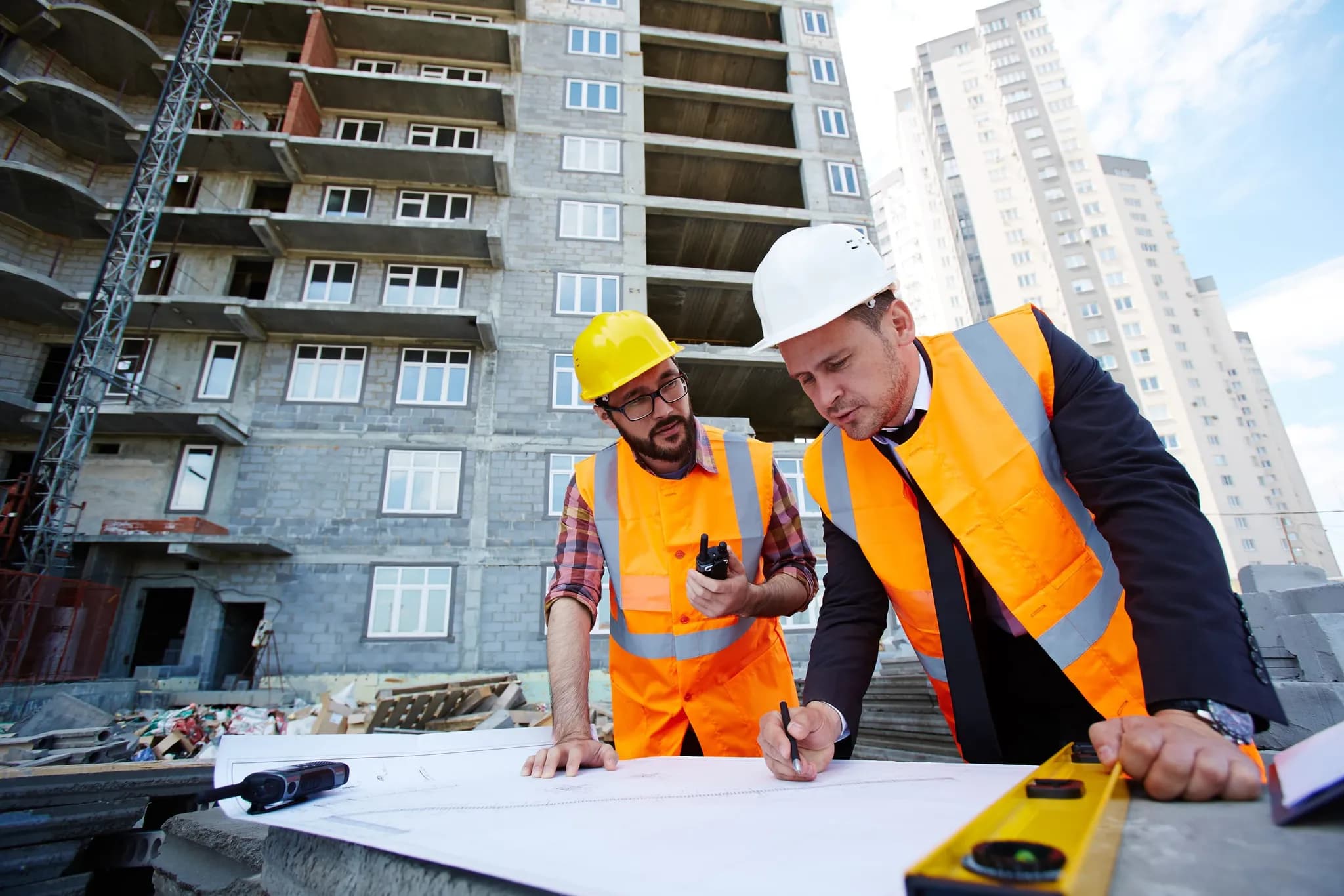
Inspections are where a permit meets the real world. Each one is a checkpoint used to confirm that the work matches the approved drawings, and passing them cleanly is what keeps a project moving toward sign-off.
They are also the most common reason a well-run job suddenly stops, almost always for reasons that were avoidable a week earlier.
The rhythm of inspections
Most builds move through a predictable sequence: foundations and footings, structural framing, then the rough-ins for plumbing, electrical and mechanical, then insulation and close-in, and finally the inspections that lead to a certificate of occupancy or a letter of completion.
Each phase has to pass before it is covered up — which is exactly why sequencing matters so much, and why 'we will get it inspected later' is not an option available to anyone.
- Foundation and footing, before backfill
- Structural framing, before it is closed in
- Plumbing and gas rough-in, including pressure testing where required
- Electrical rough-in, typically by the electrical inspector
- Mechanical and sprinkler rough-in where the scope includes them
- Insulation and energy code items, before drywall
- Final inspections leading to sign-off
Special inspections are a separate thing
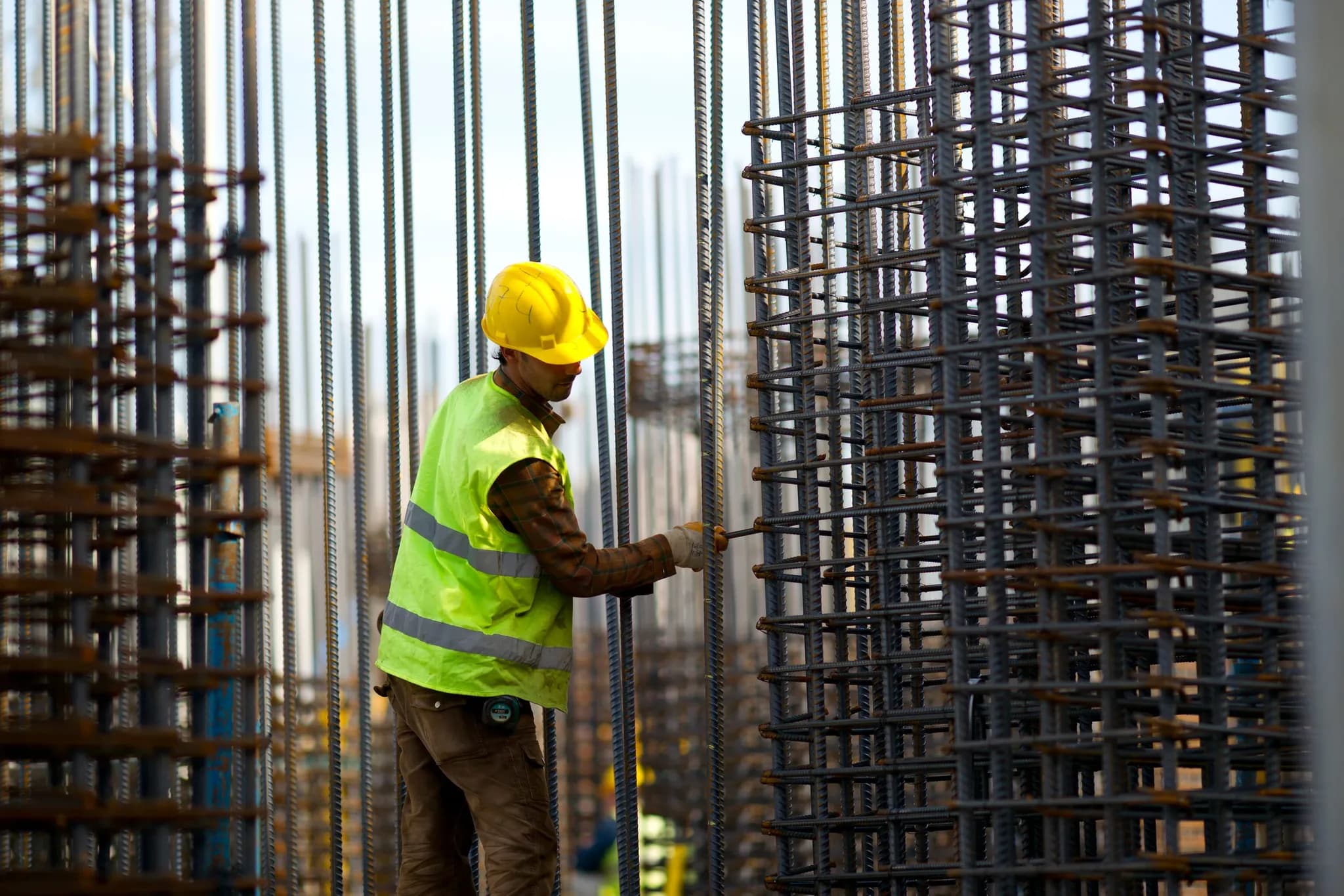
Certain work — concrete, structural steel, fire-stopping, energy code items, and others depending on scope — has to be witnessed by a licensed third-party special inspection agency as a condition of the permit. These are not department inspections and they are not interchangeable with them.
The practical consequence is scheduling. A special inspector has to be on site while the work is open and in progress, which means they are booked against the trade's programme rather than after it. Missing one is expensive: the usual remedy is exposing the work again so it can be witnessed.
A missed special inspection is not paperwork. It is usually a demolition and a rebuild of the thing that was already finished.
What causes a failed inspection
Failures almost always come down to one of two things: work that does not match the filed drawings, or a phase that got covered before it was signed off.
Both are avoidable with a supervisor who treats inspections as scheduled tasks with lead time rather than as interruptions to be dealt with when they arrive. That means booking ahead, having the approved set and the paperwork on site, and confirming the work is actually complete and accessible before the inspector travels.
The third and most frustrating cause is access. An inspector who cannot get into the building, or cannot reach the work, is a failed appointment and a place back in the queue — for a reason that had nothing to do with the construction at all.
Keeping the calendar honest
We book inspections ahead of when we will need them and keep the documentation ready, so a passed phase flows straight into the next rather than pausing while somebody makes a call.
Managing this in-house is what keeps approvals from becoming the thing everyone waits on. It is unglamorous administrative discipline, and on a busy job it is worth more to the schedule than almost anything happening with a tool in hand.
After the final inspection
Passing the last inspection is not the end of the filing. Depending on the scope, the job closes out with a letter of completion or an amended certificate of occupancy, and getting either one issued means every sign-off on the record has to be complete and consistent.
This is where jobs go quiet and then stall. The building looks finished, everyone has left the site, and the remaining work is entirely administrative — which means it only happens if somebody is still actively chasing it. Loose ends at this stage have a habit of surfacing years later, at exactly the moment you are trying to sell or refinance.
So closeout is scheduled like any other phase, with someone accountable for it, and the job is not closed on our side until the paperwork is in your hands.
A building that is finished but not signed off is a problem you have not met yet. It usually introduces itself at a closing.
Have a project in mind?
We'll talk through the design, permit, and construction path — no obligation.
Start the conversationKeep reading
Ready to build with confidence?
Tell us about your project — design, permits, or a full build. We'll get back to you within one business day.
- Free, no-obligation consultation
- Licensed, bonded & fully insured
- Design, permits & build in one team
- Clear timeline and itemized budget
Prefer to reach us directly?
No call centers — you'll talk to the team that runs the build.
- Call+1 929 741 0550
- Emailinfo@maha-construction.us
- Visit169-20 Hillside Avenue, 2nd Floor, Suite 3, Jamaica, NY 11432
- HoursMon–Fri · 8:00 AM – 6:00 PM · Weekend by appointment