


How a construction budget really comes together
Where the money actually goes on a New York build — and how an itemized budget protects you from surprise change orders.
A construction budget is not a single number. It is a stack of decisions, each with a cost attached, and understanding how that stack is built is the difference between a project that holds its price and one that drifts.
Here is how we assemble one, and why an honest itemised budget is the single best protection a client has.
The three buckets every budget lives in
Hard costs are the physical build: labour, materials, equipment, the trades. This is the part everyone pictures when they think about a construction budget, and it is usually the largest share.
Soft costs cover everything that has to happen for the hard costs to be legal and buildable: design, engineering, surveys, expediting, filing and inspection fees, insurance, and any specialist consultant your scope requires.
Contingency is the deliberate cushion for the unknowns that every renovation eventually finds behind a wall. A budget that ignores soft costs or skips contingency is not cheaper — it is incomplete, and it will correct itself the hard way in month three.
- Hard costs: labour, materials, equipment, trade packages
- Soft costs: design, engineering, filings, surveys, insurance, consultants
- Contingency: sized to the risk of the specific building, not a token line

How the number gets built
A real budget is assembled from the drawings, not estimated from square footage. Quantities are taken off the set, trades price their packages against a defined scope, materials are specified to actual products with actual prices, and the whole thing is assembled line by line.
That process is slower than producing a rough figure, and it is the only way to produce a number that means anything. A price given before anyone has measured anything is a guess with confidence attached.
Where the money usually goes
The proportions vary by project, but the pattern is consistent enough to be useful. Labour is typically the largest single component of a renovation — construction is a service far more than it is a product — and the trades that carry the most labour are usually the ones behind the walls rather than the ones you can see.
The second surprise is how much sits in the parts of the building nobody will ever look at: demolition and disposal, structural work, insulation, waterproofing, and the mechanical, electrical and plumbing installation. On a gut renovation these routinely outweigh the finishes that motivated the whole project.
Knowing that early changes the budget conversation from a disappointment into a decision. If you want the visible half to be exceptional, the honest route is a smaller scope done well rather than the same scope with the invisible half quietly downgraded.
The finishes are the part you can see and rarely the part you are mostly paying for. That is the correct shape for a budget to have.
Why itemised beats a lump sum
A single lump-sum price hides where your money goes and makes every change order feel arbitrary — because there is nothing to compare it to. A line-by-line budget shows the cost of every decision, so when you want to upgrade a finish or the scope shifts, you see the impact immediately with the number attached.
It also changes the conversation when the budget is over. With an itemised set of lines you can make specific choices about specific things. With a lump sum, the only available move is to ask for a discount, which never produces a better building.
You cannot value-engineer a lump sum. You can only argue with it.
Protecting the number once it's set
We lock the scope before we lock the price, so both sides are agreeing to the same project. A price agreed against a vague scope is not a price; it is the opening position in a negotiation that will continue for the length of the build.
From there, disciplined procurement and a realistic schedule are what keep the budget intact — because most overruns are not material price spikes. They are delays, rework, and scope that grew a little at a time without anyone pricing it.
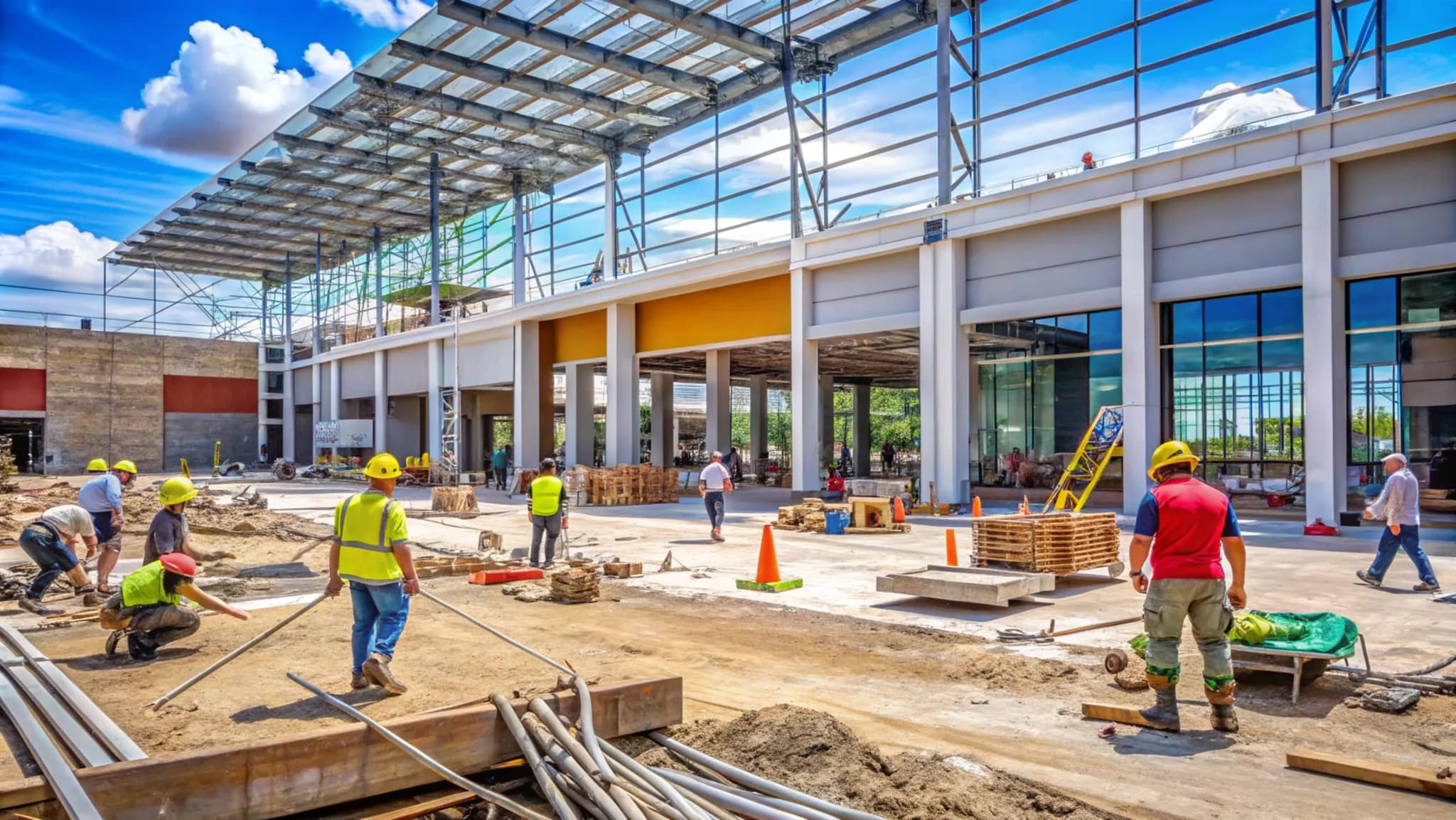
What an owner should watch
The warning signs are consistent, and they all appear before construction starts rather than during it.
- A price produced before anyone measured the space
- Allowances set unrealistically low to keep a bid competitive
- No contingency line, or one too small to absorb anything real
- Soft costs missing entirely from the presented number
- A scope description short enough to fit on one page
Have a project in mind?
We'll talk through the design, permit, and construction path — no obligation.
Start the conversationKeep reading
Ready to build with confidence?
Tell us about your project — design, permits, or a full build. We'll get back to you within one business day.
- Free, no-obligation consultation
- Licensed, bonded & fully insured
- Design, permits & build in one team
- Clear timeline and itemized budget
Prefer to reach us directly?
No call centers — you'll talk to the team that runs the build.
- Call+1 929 741 0550
- Emailinfo@maha-construction.us
- Visit169-20 Hillside Avenue, 2nd Floor, Suite 3, Jamaica, NY 11432
- HoursMon–Fri · 8:00 AM – 6:00 PM · Weekend by appointment