


How we keep projects on time and on budget
The unglamorous disciplines — sequencing, communication, and quality control — that decide whether a build lands on schedule.
Every client wants the same two things: a project that finishes when it was supposed to and lands on the number that was agreed. Delivering that is not luck and it is not heroics — it is a small number of unglamorous disciplines applied consistently.
Here is what they actually are.
Plan the work, then work the plan
We build a realistic schedule up front with clear milestones, then sequence trades so nobody is waiting on somebody else. Most overruns start with a schedule that was never achievable — built on best-case review times, optimistic lead times, and trades stacked in an order that assumes nothing goes wrong.
A realistic schedule looks longer on paper and finishes sooner in practice. It is also the only kind you can manage against, because when something slips you can see immediately whether it matters.
Transparent budgets, no surprises
An itemised budget agreed before work starts means change orders are the exception rather than the business model. Every line is priced, so when something does change you can see exactly what it changes and by how much.
When something does come up, you hear about it immediately with the cost and the schedule impact attached — not at the end, and never as a line on a final invoice you have not seen before.
A change you find out about in week three is a decision. A change you find out about on the final invoice is a dispute.
Procurement against the schedule
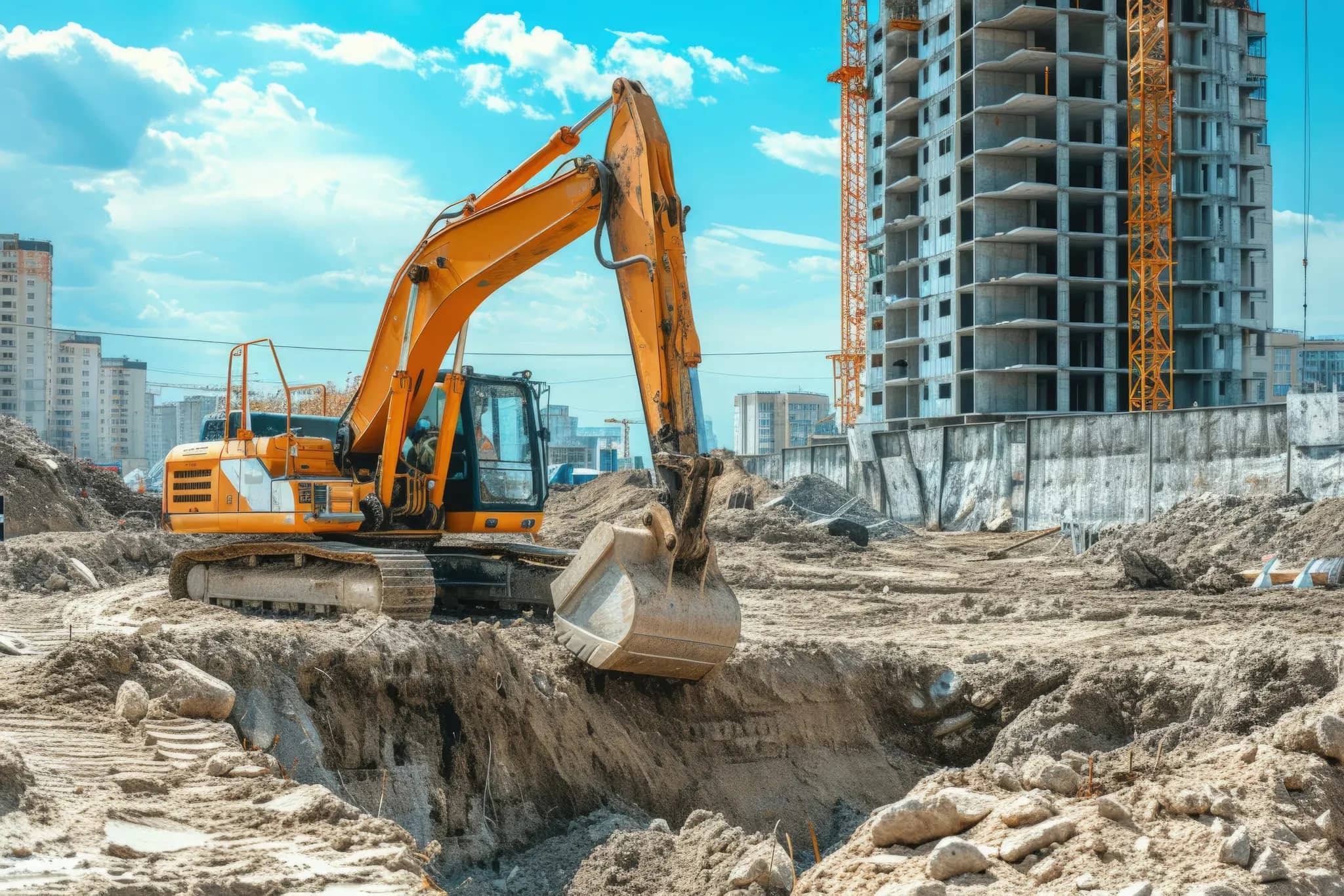
A significant share of construction delay is material, not labour. Long-lead items ordered late, a discontinued product discovered at the moment it was needed, a delivery that arrives short and is not chased for a fortnight.
So procurement runs against the construction programme rather than alongside it: long-lead items identified and ordered before mobilisation, deliveries checked against the specification on arrival, and substitutions brought to you with the price and the date before they become a stopped crew.
Quality control at every phase
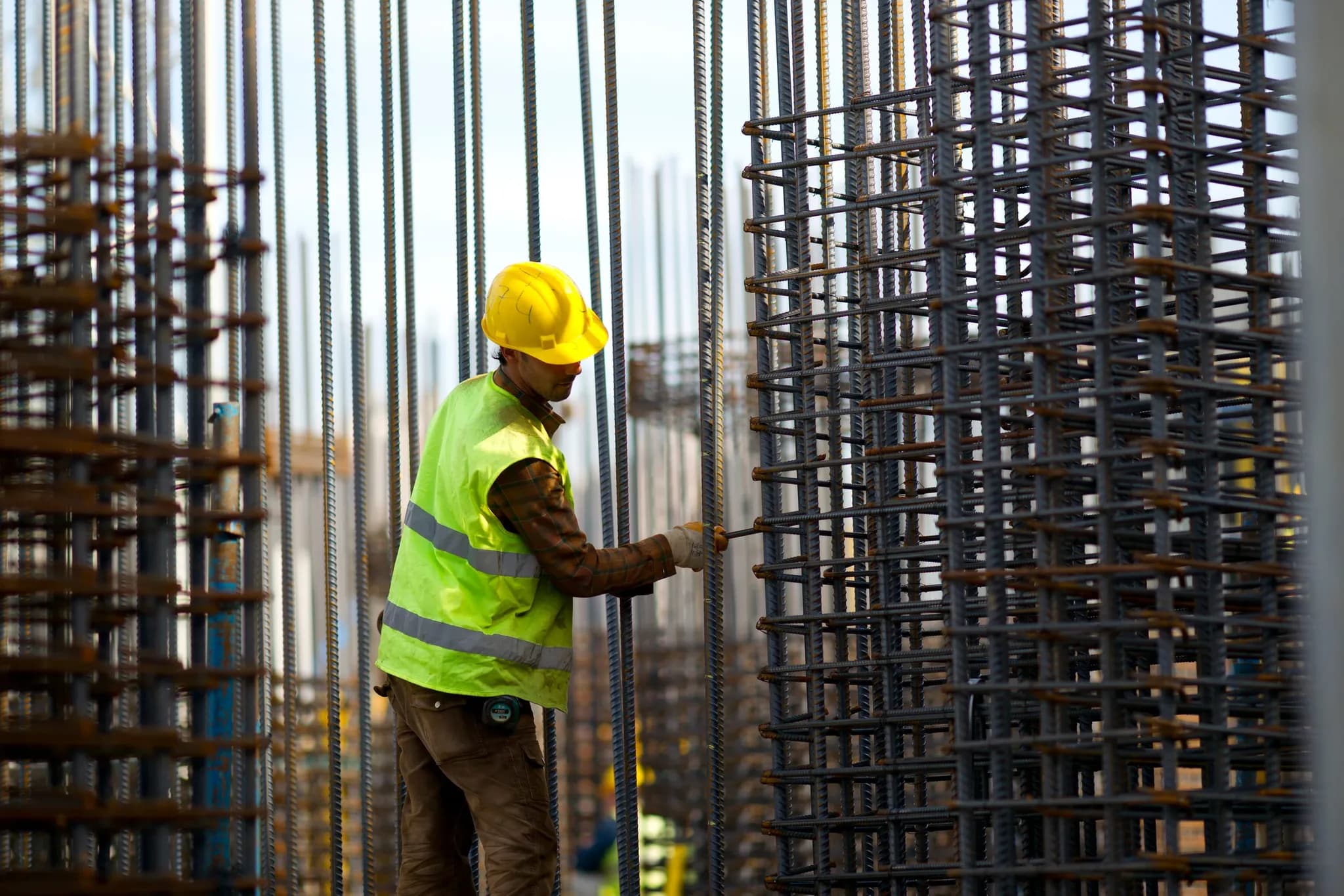
In-house supervision and phase-by-phase checks catch issues while they are small and cheap to fix — which, in construction, almost always means before the next trade covers them up.
The economics here are stark. A misplaced pipe found at rough-in is a twenty-minute fix. The same pipe found after tiling is a fortnight, and it is a fortnight that also damages the relationship, because by then somebody has to decide who pays for it.
Reporting, weekly and unprompted
A schedule and a budget only work as management tools if somebody reports against them. Every week you get what was completed, what is next, anything that moved, and what that does to the dates and the number.
Unprompted is the important word. The difference between a well-run project and a badly-run one is very often just whether the owner has to ask.
- What was completed this week, against the schedule
- What is planned for next week, and which trades are on site
- Anything found, with photographs and what it means
- Any change to the dates or the budget, with the reason
- What we need a decision from you on, and by when
What happens when something does slip
No project of any size runs without something going wrong. A material arrives short, an inspection is rescheduled, a concealed condition takes a week nobody planned for. The measure of a contractor is not whether that happens — it is what happens in the following forty-eight hours.
The response is always the same three steps: work out the real impact on the critical path rather than assuming the worst, look at whether anything downstream can be resequenced to absorb it, and tell you either way. A week lost in framing may cost nothing if the long-lead item behind it was not arriving anyway; the same week lost elsewhere may cost three.
What we will not do is let a slip go unmentioned in the hope of quietly recovering it. That is how a two-week problem becomes a two-month one, and it is how owners lose confidence in every date they are given afterwards.
The problem is never the delay. It is finding out about the delay a month after the people on site knew.
Have a project in mind?
We'll talk through the design, permit, and construction path — no obligation.
Start the conversationKeep reading
Ready to build with confidence?
Tell us about your project — design, permits, or a full build. We'll get back to you within one business day.
- Free, no-obligation consultation
- Licensed, bonded & fully insured
- Design, permits & build in one team
- Clear timeline and itemized budget
Prefer to reach us directly?
No call centers — you'll talk to the team that runs the build.
- Call+1 929 741 0550
- Emailinfo@maha-construction.us
- Visit169-20 Hillside Avenue, 2nd Floor, Suite 3, Jamaica, NY 11432
- HoursMon–Fri · 8:00 AM – 6:00 PM · Weekend by appointment