

Sustainable materials that are worth the upcharge
Not every 'green' material pays for itself. The handful that actually do — in energy, durability, or resale — and the ones that are mostly marketing.
Sustainable materials carry a real premium, and not all of them earn it back. Some pay for themselves several times over across the life of a building. Others perform beautifully in a brochure and indifferently in a New York winter.
We specify the ones that hold up and steer clients away from the ones that mostly look good on a spec sheet. Here is roughly how we sort them.
Where the payback is real: the envelope
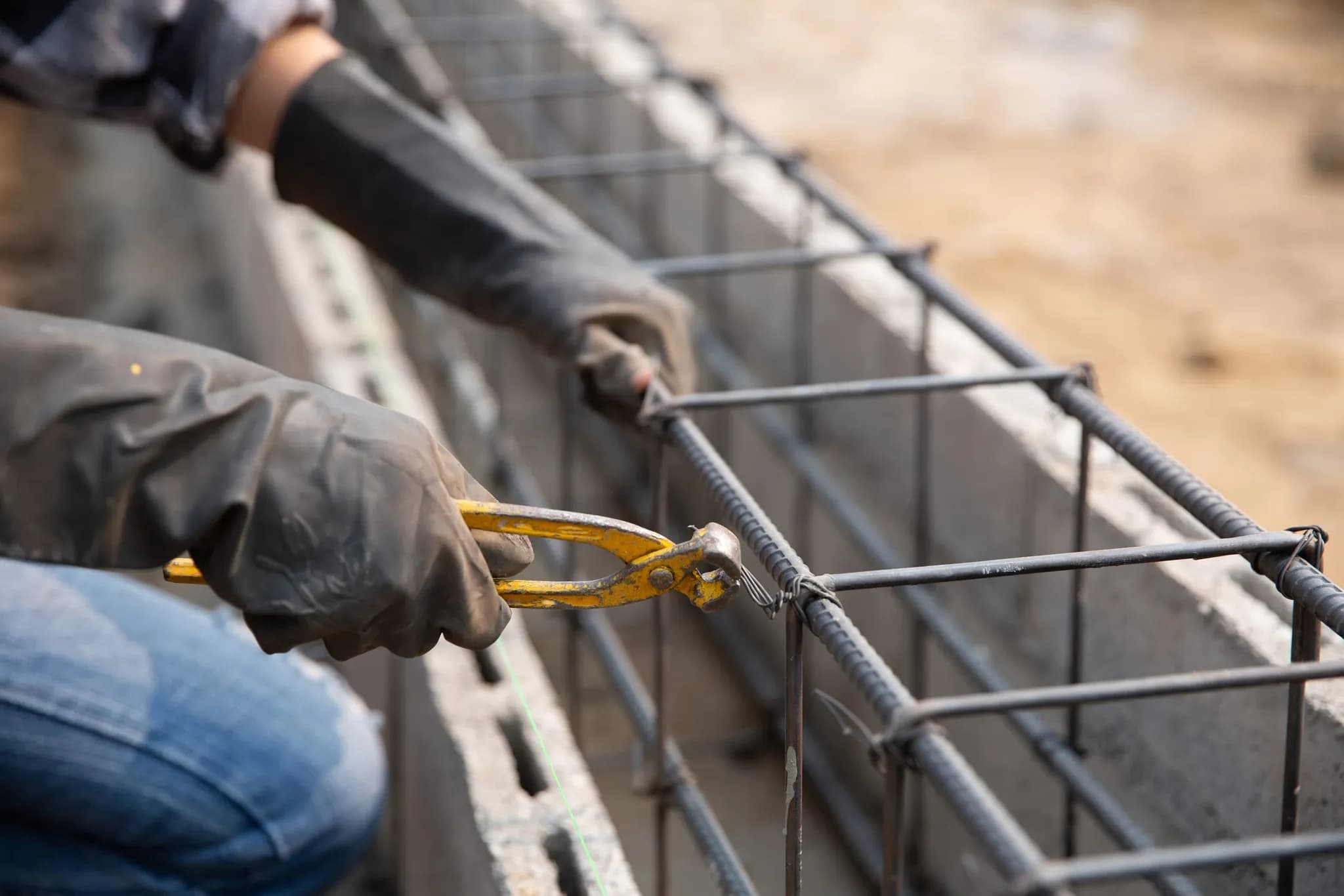
High-performance insulation, serious air-sealing and better glazing reduce heating and cooling loads for as long as the building stands. That return shows up on every utility bill, not only at resale, and it compounds with energy prices rather than depreciating.
Air-sealing in particular is the most under-rated money in a renovation. It is cheap relative to everything around it, it is only accessible while the walls are open, and it does more for comfort — draughts, cold spots, noise — than an insulation upgrade of the same cost.
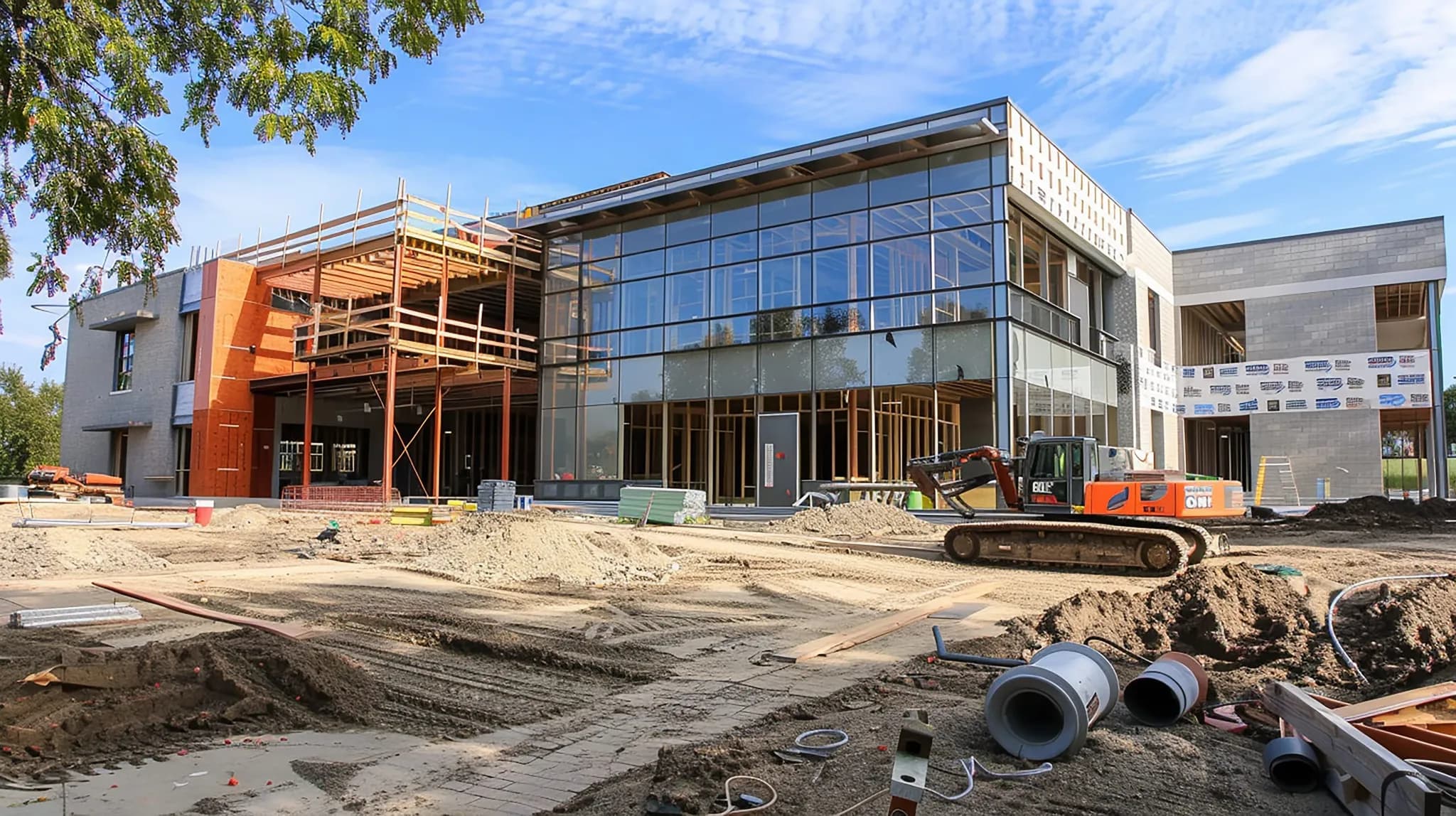
The other envelope investment worth making is proper detailing at the junctions: around windows, at the roof edge, where an extension meets the original building. Thermal bridging and water intrusion both happen at junctions, and both are effectively impossible to fix later without opening the building up again.
Anything you can only do while the walls are open is worth over-specifying. You are buying access, not just material.
Durability is a sustainability metric
A material that lasts thirty years instead of ten keeps roughly twice the material out of a landfill and saves two rounds of labour, disruption and disposal. Durability and sustainability are usually the same conversation, not two competing ones.
This is where a lot of genuinely green specification lives, and it rarely gets marketed as such: better flashing, a heavier-gauge fixing, a tile rated for the exposure it will actually see, a paint system with a longer maintenance cycle. None of it is exciting and all of it reduces the lifetime footprint of the building.
Where the premium is usually justified
The list below is not universal — every building is different — but these are the upgrades we find ourselves recommending repeatedly, because the return is measurable rather than reputational.
- Insulation and air-sealing anywhere the structure is open
- Glazing appropriate to the orientation, rather than the same unit everywhere
- Heat-pump systems where the building and the electrical service can support them
- Reclaimed structural timber and brick, where it is sound and available
- Low-VOC finishes, which cost little more and change how a space feels to occupy
- Water-efficient fittings, which pay back quietly and continuously
What we're sceptical of
Novelty materials with thin track records in a freeze-thaw climate are a gamble we will not put a client's money on, however the marketing reads. New York asks a building to survive winter cycling, humid summers, salt and grime — a material that has performed for two years in a mild climate has not been tested against any of that.
We are also cautious about certifications used as a proxy for performance. A certification tells you a product met a defined standard; it does not tell you the standard tested the thing that will actually break it in your application. The question worth asking is always the same one: what is the failure mode, and how long until it shows up?
And finally: a sustainable material installed badly is not sustainable. Most envelope failures are workmanship at junctions rather than product failures, which is an argument for spending on the install as much as on the specification.
How to decide on your own project
The test we apply is simple: what is the payback, and in what currency? Some upgrades pay in energy. Some pay in avoided maintenance. Some pay in a replacement cycle you never have to live through. Some pay only in how the building feels, which is a legitimate reason to spend money as long as everyone is honest that that is the reason.
If nobody involved can answer that question for a given product, that is usually the answer. We would rather put the same money into insulation you will never see than into a material chosen because it sounded responsible.
Have a project in mind?
We'll talk through the design, permit, and construction path — no obligation.
Start the conversationKeep reading
Ready to build with confidence?
Tell us about your project — design, permits, or a full build. We'll get back to you within one business day.
- Free, no-obligation consultation
- Licensed, bonded & fully insured
- Design, permits & build in one team
- Clear timeline and itemized budget
Prefer to reach us directly?
No call centers — you'll talk to the team that runs the build.
- Call+1 929 741 0550
- Emailinfo@maha-construction.us
- Visit169-20 Hillside Avenue, 2nd Floor, Suite 3, Jamaica, NY 11432
- HoursMon–Fri · 8:00 AM – 6:00 PM · Weekend by appointment