


OSHA on a New York job site: what compliance really looks like
Compliance isn't a poster in the trailer. What day-to-day OSHA discipline actually looks like on an active build.
OSHA compliance is often pictured as paperwork — a poster in the trailer and a binder nobody opens. On an active site it is closer to a daily habit, and the difference between a site that is genuinely safe and one that is merely not-yet-caught is entirely in that habit.
It is also, for an owner, a schedule and liability question as much as a moral one. Here is what it actually looks like day to day.
Training that matches the trade
Fall protection, scaffold safety, confined-space entry and electrical safety are trained to the specific crew doing that specific work — not delivered as a generic annual video everyone clicks through in twenty minutes.
In New York there is an additional layer: city rules require site safety training for workers and supervisors on many job sites, evidenced by cards that are checked on site. Keeping that current across a crew is administrative work that has to be somebody's actual job, not an afterthought.
- Fall protection for anyone working at height, including on scaffold and near openings
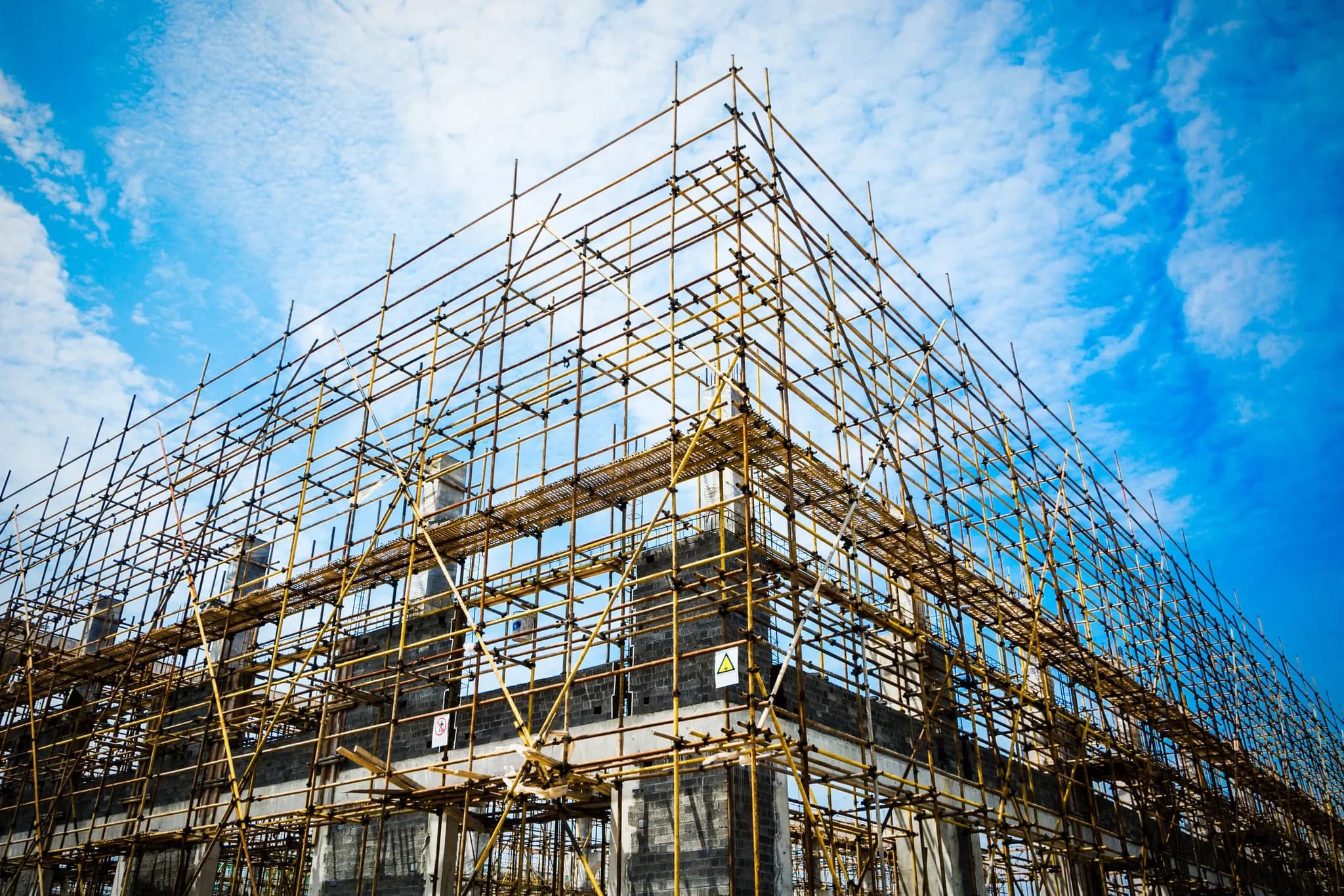
- Scaffold erection, inspection and tagging by competent persons
- Electrical safety and lockout procedures during rough-in and demolition
- Silica, lead and asbestos awareness for demolition in older buildings
- Current site-safety training cards for the crew and supervisors
Daily discipline, not periodic checks
PPE, guarding, housekeeping and access get checked every day the site is open. Guardrails on floor openings, covers secured, extension cords off walkways, materials stacked rather than scattered, and the stair route kept clear.
The reason this is daily rather than weekly is straightforward: a site changes every day. The opening that was guarded on Monday is where a trade is working on Wednesday, and the safe route through the building moves as the work moves.
Most incidents happen in the gap between checks that only occurred occasionally. Nobody plans to leave an unguarded opening — it happens because the person who created it was on their way somewhere else.
A site changes every day, so the safety walk is every day. Weekly compliance is a site that is safe on Fridays.
The three hazards that dominate
Falls, struck-by incidents and electrical contact account for the overwhelming majority of serious construction injuries, and most of the visible discipline on a well-run site is aimed at those three specifically.
That means: harnesses and anchor points used properly rather than carried, scaffolds erected and inspected by people qualified to do it, overhead protection where anyone is working below, materials secured against falling, and circuits identified and isolated before anyone opens anything.
In a dense city there is a fourth party to consider: the public. Sidewalk sheds, netting, and controlled hoisting exist because on most New York sites the neighbours are three metres away rather than three hundred.
Why it's also a schedule protection
A safety incident does not just risk someone's wellbeing. It can shut a site down for days, trigger an investigation, affect your insurance, and put a stop-work order on a project that was otherwise on programme.
The safest sites are, not coincidentally, usually the ones that finish closest to schedule. The same attention that keeps a walkway clear keeps materials where the trades expect them, and the same supervisor who notices an unguarded opening notices when a phase is about to be closed before its inspection.
What an owner can reasonably ask for
You are entitled to expect evidence rather than assurances. Insurance certificates naming the right parties, current training documentation for the crew, a named site-safety contact, and a site you can walk without stepping over cables.
The simplest test is the one you can apply yourself on any visit: is the site tidy, are the walkways clear, and does anyone working at height have a harness that is actually attached to something. If the answer is yes on an unannounced visit, the paperwork is usually in order too.
Have a project in mind?
We'll talk through the design, permit, and construction path — no obligation.
Start the conversationKeep reading
Ready to build with confidence?
Tell us about your project — design, permits, or a full build. We'll get back to you within one business day.
- Free, no-obligation consultation
- Licensed, bonded & fully insured
- Design, permits & build in one team
- Clear timeline and itemized budget
Prefer to reach us directly?
No call centers — you'll talk to the team that runs the build.
- Call+1 929 741 0550
- Emailinfo@maha-construction.us
- Visit169-20 Hillside Avenue, 2nd Floor, Suite 3, Jamaica, NY 11432
- HoursMon–Fri · 8:00 AM – 6:00 PM · Weekend by appointment