

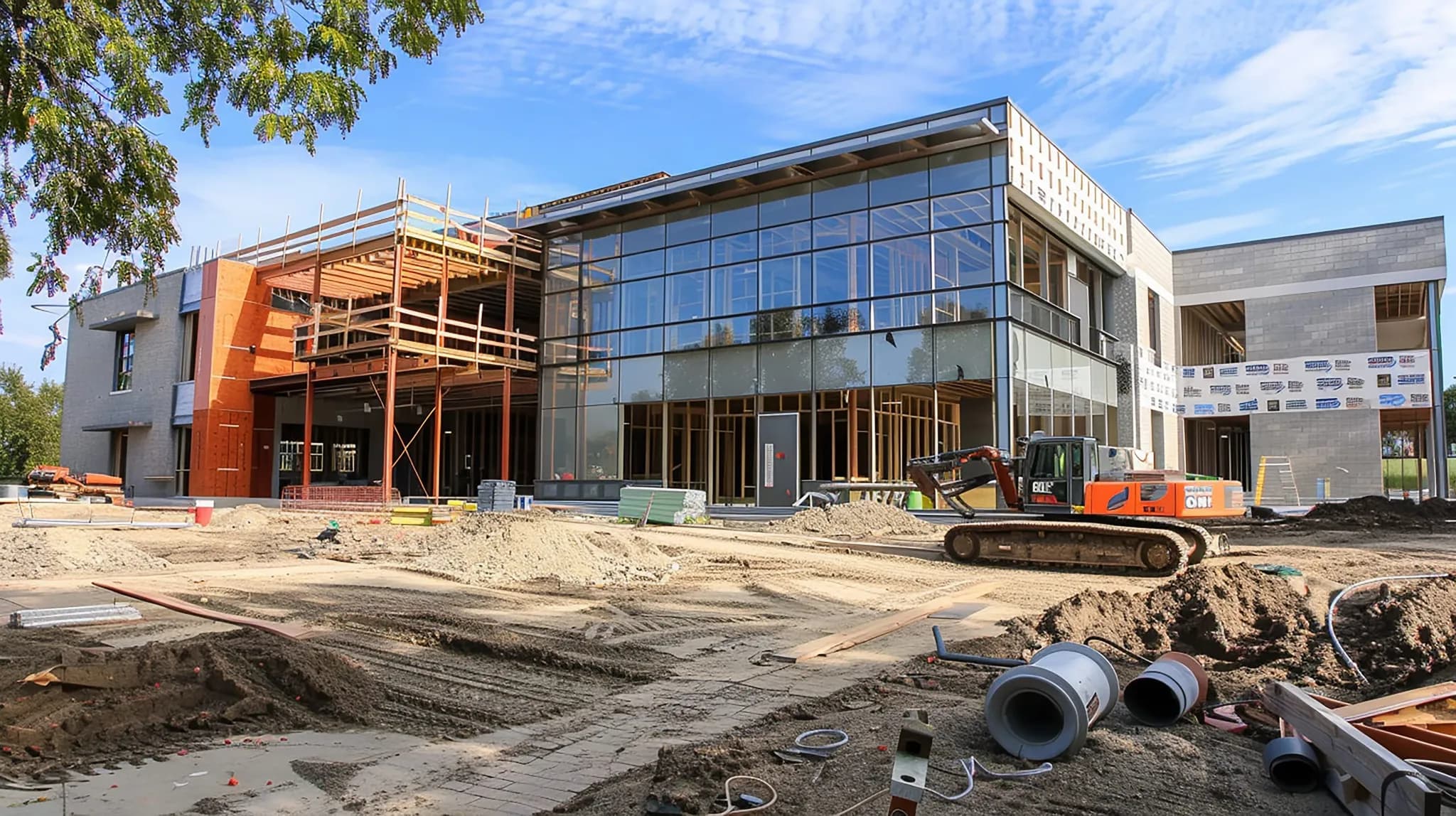
Interior vs. exterior grade materials: what NYC code requires
A material rated for indoor use isn't automatically safe outdoors — and code doesn't treat the two the same. What the grading actually means.
Materials are engineered and tested for specific exposure conditions, and code enforces that distinction far more strictly than most owners expect. The grading on a product is not a quality tier — it is a statement about what the material has been tested to survive.
Getting this wrong is one of the more avoidable ways to fail an inspection, and one of the more expensive ways to discover a problem three winters later.
What 'exterior-rated' actually tests for
Exterior grading is about a handful of specific conditions: freeze-thaw cycling, UV exposure, moisture absorption and drying, wind loading, and in a coastal city, salt. Each of those is a distinct test, and a product can pass one and fail another.
Freeze-thaw is the one that does most of the damage in New York. Water gets into a porous material, freezes, expands, and takes a little of the material with it when it thaws. Repeat that a few dozen times a winter and a stone or tile that looked fine in October is spalling by March. An interior-rated product has never been asked to survive that, because indoors it never happens.
Interior grade is not a cheaper version of exterior grade. It is a product that was never tested against the thing that will break it.
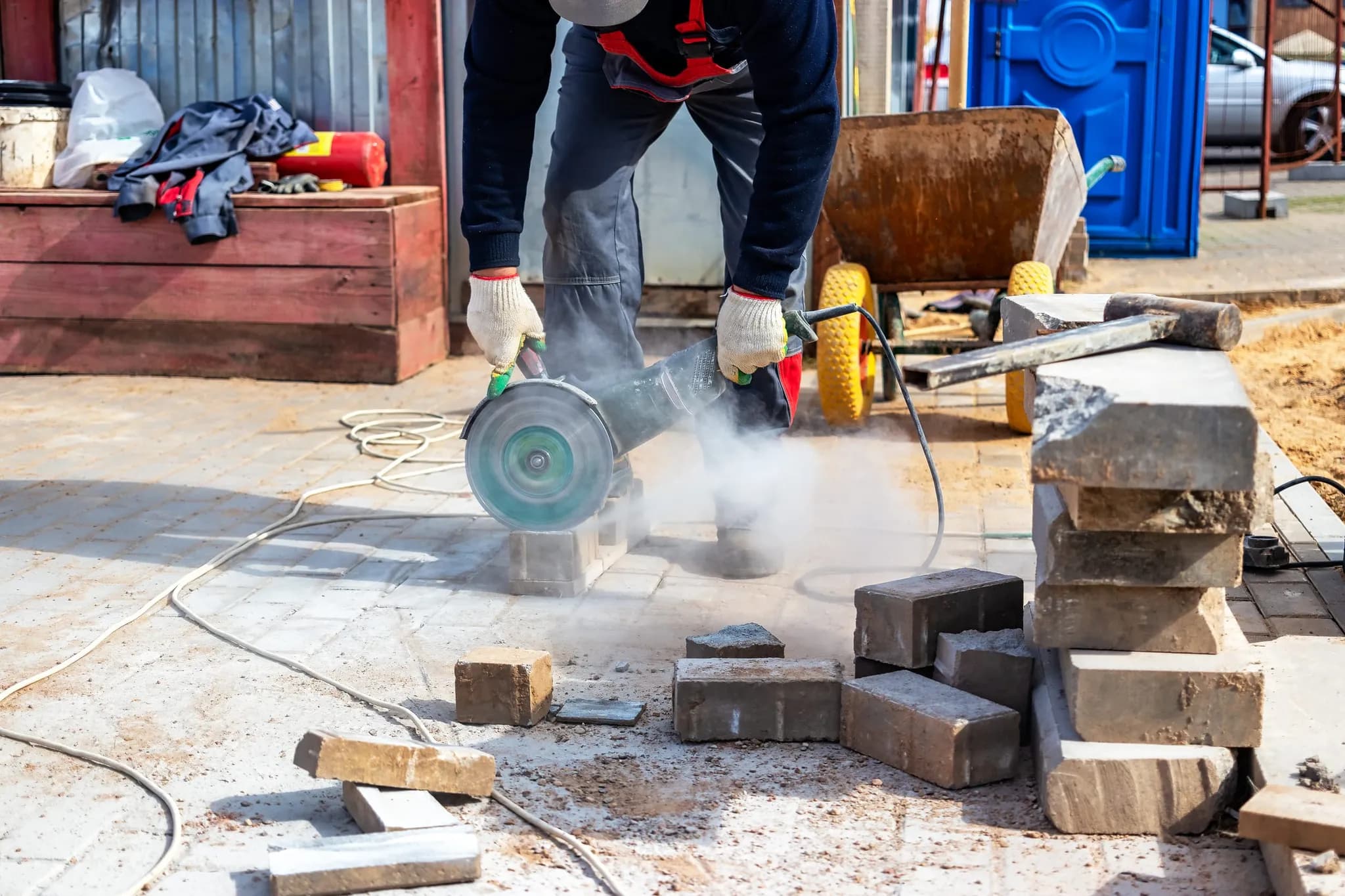
Where the code line gets strict
Facades, balconies, terraces, roofing, and anything else exposed to weather have to meet exterior specifications that will be checked against the filed drawings. Substituting an interior-rated product in those locations is not a clever saving — it is a failed inspection, and if it is not caught, a failure that arrives later at much greater cost.
Wet areas indoors are the same argument in miniature. Backer boards, membranes and tile ratings in a shower are specified for continuous moisture exposure, and the material that works beautifully on a hallway floor will quietly fail behind a shower wall.
- Facade cladding, pointing and any exposed masonry
- Roofing, flashing, parapets and roof-level details
- Balconies, terraces and anything with occupied space beneath it
- Wet areas: shower enclosures, wet rooms, commercial kitchens
- Anything in an unheated or semi-exterior space — vestibules, areaways, unheated garages
The grey areas worth checking
The failures we see are rarely in the obvious places. Nobody puts an interior tile on a roof. The problems are in the in-between conditions: an unheated vestibule, a covered porch that is technically outside, a sunroom, an areaway at the bottom of a stoop, a garage that is neither properly inside nor properly out.
The test to apply is simple: will this surface ever be wet and then freeze? If the answer is yes, or even 'occasionally', it is an exterior condition regardless of whether it has a roof over it.
Getting the spec right the first time
We match every material to its actual exposure condition at the drawing stage, so what is filed, what is purchased and what is installed all agree. That sounds administrative and it is the whole defence against a substitution slipping through.
Substitutions are where this usually goes wrong. A product is unavailable, an alternative is offered, and the person accepting it on site is comparing the look and the price rather than the rating. Every substitution on our jobs is checked against the specified exposure before it is approved — which is a two-minute job at the right moment and a facade repair at the wrong one.
What to ask before anything is ordered
You do not need to know the standards to ask the questions that catch a mis-specification. Three of them cover most of it, and they are worth asking at the point the schedule of materials is presented rather than after delivery.
The first is simply what exposure this product is rated for, and whether that matches where it is going. The second is what happens to it in a freeze-thaw cycle. The third — the one people forget — is what the manufacturer's warranty says about this application, because a warranty that excludes exterior use is the clearest possible statement of what the product was designed to do.
- What exposure class is this rated for, and where is it being installed?
- How does it behave through freeze-thaw cycling?
- Does the manufacturer's warranty cover this application?
- If it is being substituted, does the alternative carry the same rating?
- Who checks the delivery against the specification, and when?
Have a project in mind?
We'll talk through the design, permit, and construction path — no obligation.
Start the conversationKeep reading

Ready to build with confidence?
Tell us about your project — design, permits, or a full build. We'll get back to you within one business day.
- Free, no-obligation consultation
- Licensed, bonded & fully insured
- Design, permits & build in one team
- Clear timeline and itemized budget
Prefer to reach us directly?
No call centers — you'll talk to the team that runs the build.
- Call+1 929 741 0550
- Emailinfo@maha-construction.us
- Visit169-20 Hillside Avenue, 2nd Floor, Suite 3, Jamaica, NY 11432
- HoursMon–Fri · 8:00 AM – 6:00 PM · Weekend by appointment