

Ground-up vs. renovation: which fits your project?
Building new and reworking what's there each have a place. Here's how we help clients choose — and budget accordingly.
On this page
One of the first questions we help clients answer is whether to build new or rework what is already there. The right call depends on your goals, your site, the condition of the existing structure, and — honestly — your budget and your appetite for uncertainty.
It is worth resolving properly rather than by instinct, because almost everything downstream depends on it.
When ground-up makes sense
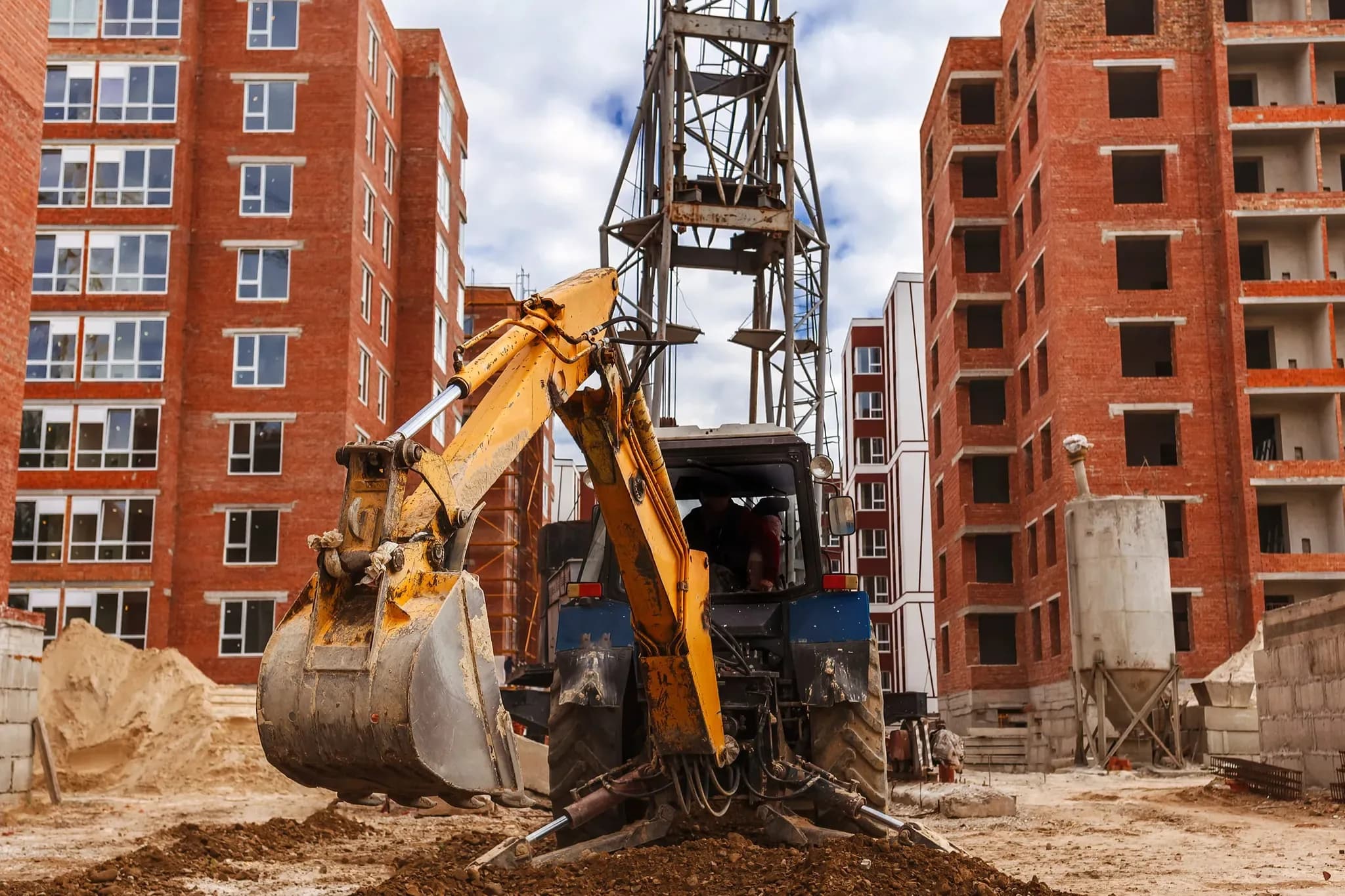
If the existing structure is unsound, badly undersized, or fundamentally wrong for how you want to use the space, a ground-up build gives you a clean slate and a modern, code-compliant result with a predictable structure and envelope.
It is usually the larger investment, and it usually takes longer from first drawing to occupancy. What it buys is certainty: you are not discovering anything behind a wall, because you are building the wall.
It is also the better path when the performance you want simply cannot be retrofitted — insulation levels, floor-to-ceiling heights, a structural grid that supports an open plan, or accessibility that an existing building cannot accommodate without effectively being rebuilt anyway.
When renovation wins
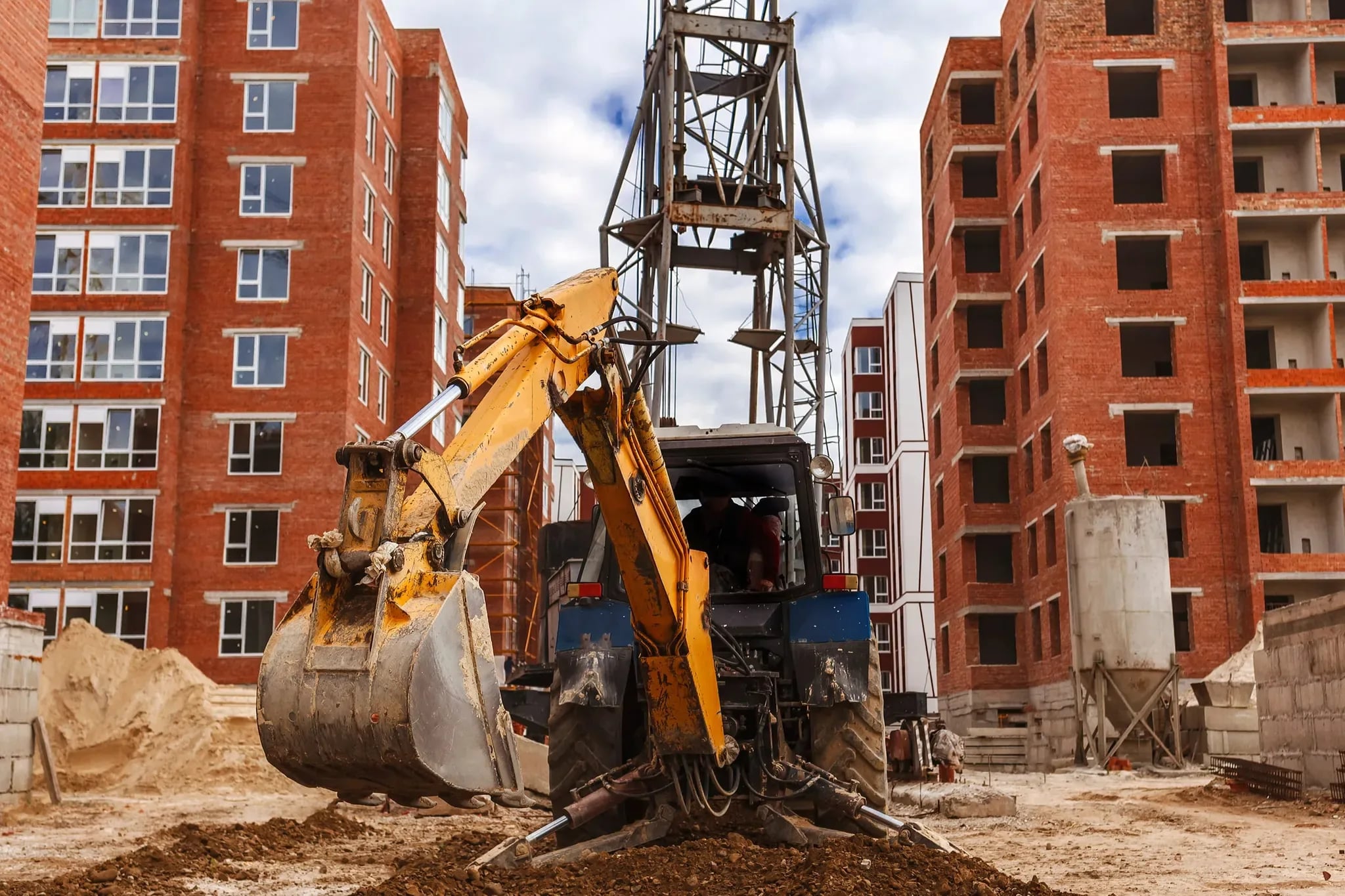
A sound shell in a good location is often worth keeping. Gut renovations and retrofits can modernize systems, reconfigure layouts and add substantial value for a fraction of the cost of a rebuild — especially in a period property where the character is a large part of the value.
Renovation is also usually faster to occupancy and less disruptive to a neighborhood, and it avoids the demolition and disposal costs that a rebuild carries before it produces anything.
The catch is uncertainty. You are working with a building whose history you only partly know, and a renovation budget therefore needs a larger contingency than a new build. That is not a defect of the approach; it is the price of the advantages.
Renovation trades certainty for location and character. Price the contingency honestly and it is often still the better deal.
The constraint most people forget: zoning
Frequently, the decision is not really yours — the zoning makes it. An existing building may occupy a footprint, a height or a use that current rules would not permit a new building to reproduce. Demolishing it can mean giving up conditions you cannot get back.
This is the single most common reason we advise clients to renovate a building they arrived intending to replace. It is also the reason to test the envelope before making the decision rather than after, because it can swing the answer completely.
Comparing them honestly
A fair comparison is not the headline cost of each. It is the total cost, the total time, and the risk profile of both, put side by side against what you actually want at the end.
What the zoning allows in each case — this often decides it outright
The real condition of the existing structure, surveyed rather than assumed
Total cost including demolition, disposal, soft costs and contingency
Time to occupancy, not just time on site
How much uncertainty you can live with, financially and personally
How we help you decide
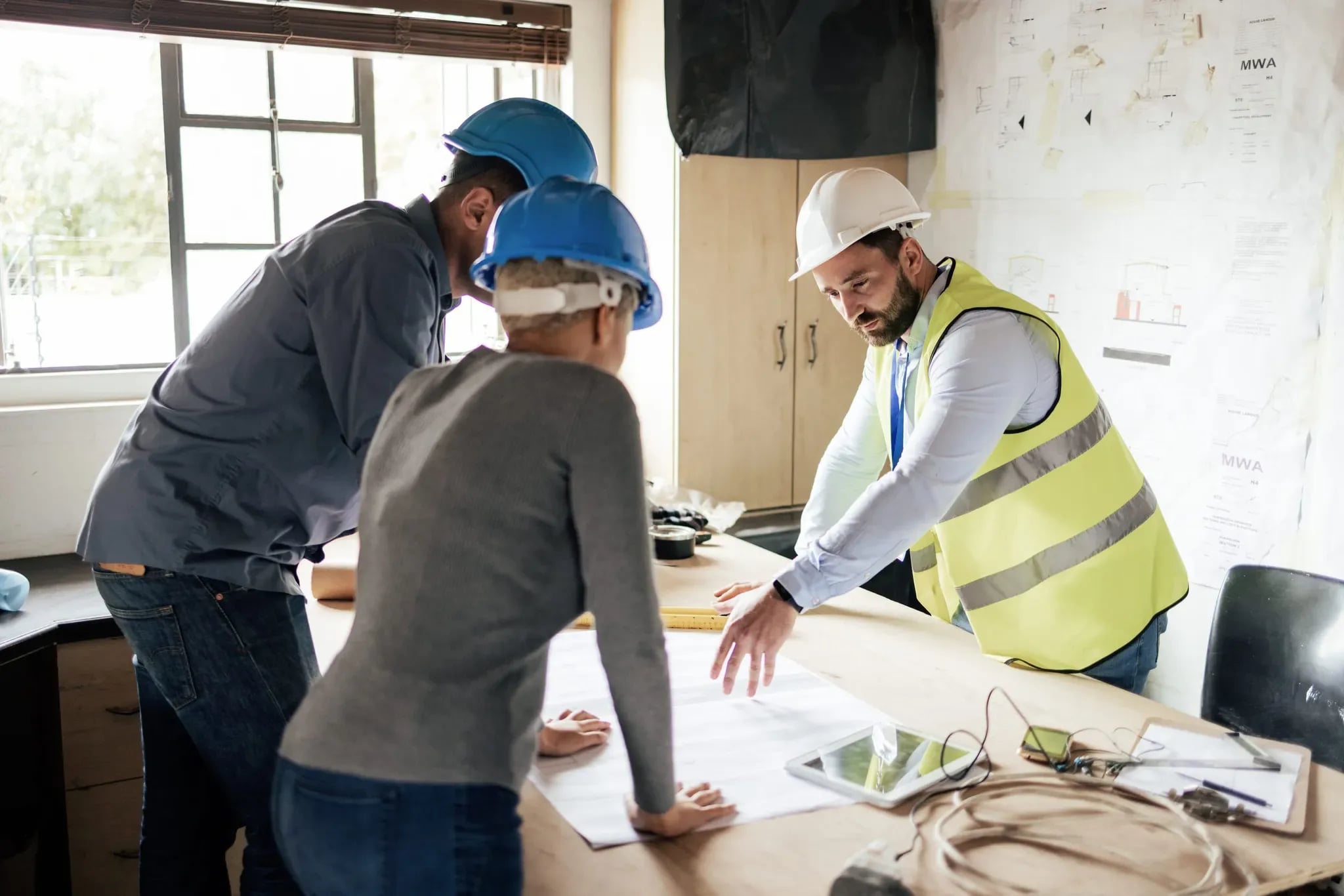
We walk the site, review your goals, test what the zoning envelope actually permits, and give you an honest itemized comparison of both paths — including the risks and the things we cannot know yet.
You make the call with real numbers rather than a sales pitch. And on the occasions when the answer is that neither path gets you what you want on this site, we would rather tell you that early than take you halfway there.
Have a project in mind?
We'll talk through the design, permit, and construction path — no obligation.
Start the conversationKeep reading

Ready to build with confidence?
Tell us what you're planning. We'll walk the site, talk through scope and budget, and map a clear path from drawings to sign-off — free, and without obligation.
- Free, no-obligation consultation
- Licensed, bonded & fully insured
- Design, permits & build in one team
- Clear timeline and itemized budget
Prefer to reach us directly?
No call centers — you'll talk to the team that runs the build.
- Call+1 929 741 0550
- Emailinfo@maha-construction.us
- Visit169-20 Hillside Avenue, 2nd Floor, Suite 3, Jamaica, NY 11432
- HoursMon–Sat · 9:00 AM – 8:00 PM · Sunday closed